Projects Detail - Mangrove Mitra
MANGROVE MITRA | COMMUNITY-LED COASTAL RESILIENCE
IMPLEMENTATION UNDERWAY
MANGROVE AFFORESTATION AND RESTORATIONWEST BENGAL, ODISHA40 YEARS
Mangrove forests are among the planet’s most powerful natural climate defenses. They store four to six times more carbon per hectare than tropical forests while stabilising coastlines, buffering storm surges, filtering pollutants, supporting fisheries, and reducing soil salinity in nearby farmland.
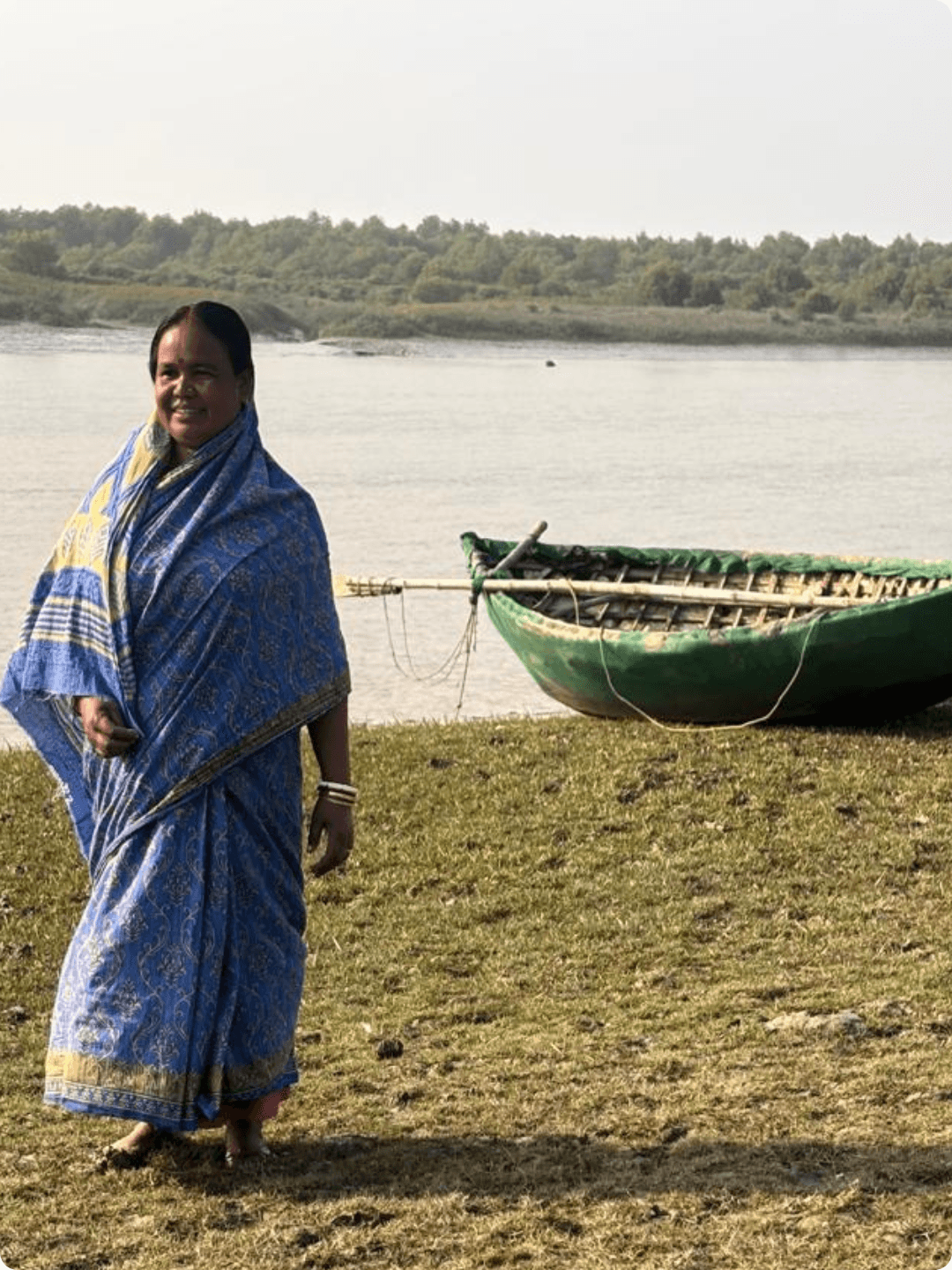
Across villages in the delta, women’s Self-Help Groups plant and raise mangrove saplings. Each seedling grows to become healthy saplings before being transported to restoration sites across the intertidal zones, where native species are planted according to tidal and soil conditions.
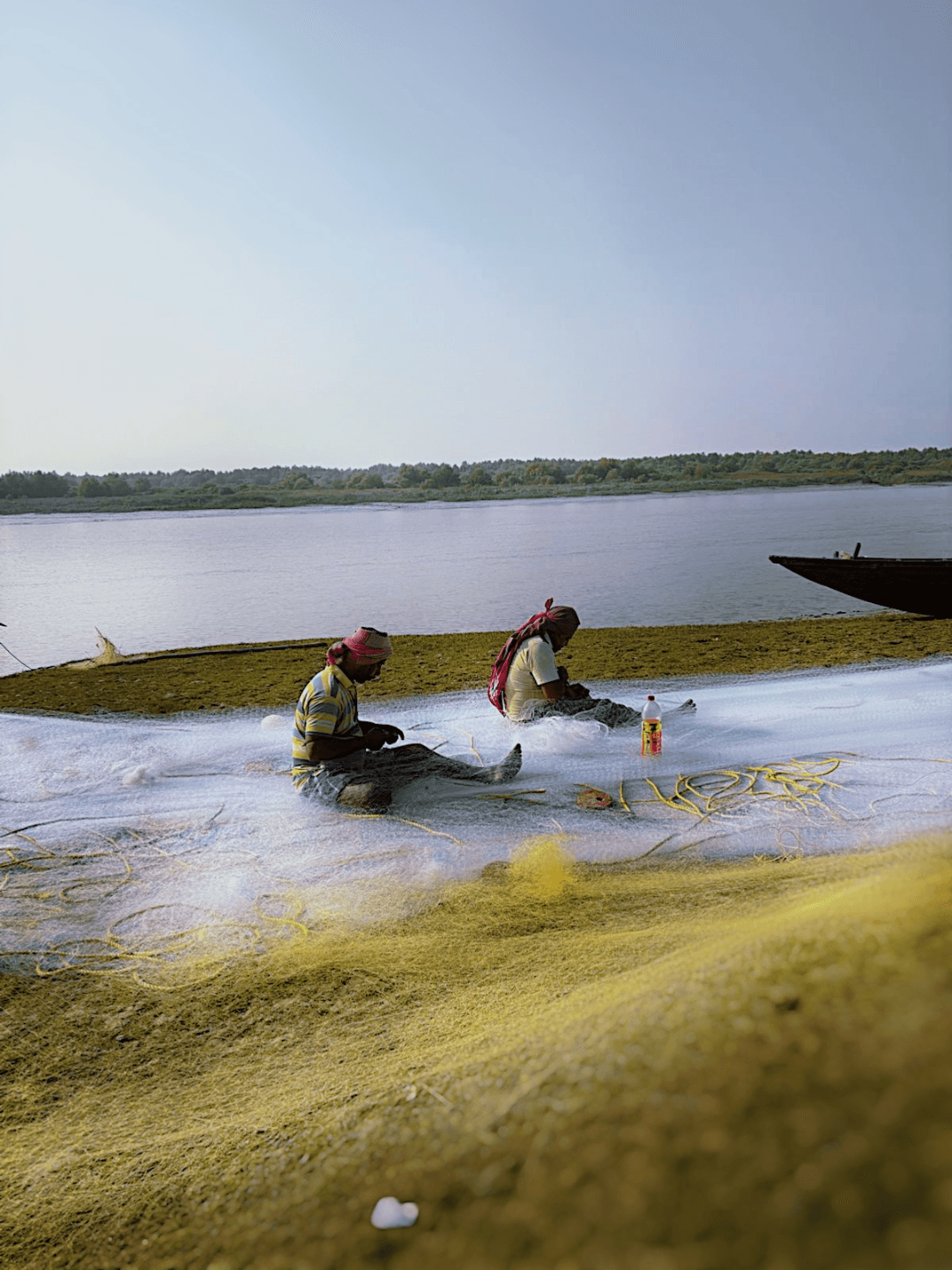
The model links ecological restoration with community livelihoods. Communities receive a share of carbon revenue for individual and village development. Watch their story here.
MIL5TREES TO BE PLANTED
HA2000LAND UNDER RESTORATION
tonnes1,600,000CO₂ lifetime removal
tonnes~40,000CO₂ per year
Our Grievance Redressal Policy can be found here
.png&w=2048&q=75)